
 By admin
Chocolate chip cookies are a timeless favorite, but have you ever wondered how to achieve the texture you love most? Whether you’re craving gooey centers or crisp edges, baking time plays a critical role in getting it just right. The best part? You can personalize your process to suit your taste preferences!
In this section, we’ll explore how baking times work their magic to create the perfect cookie. From dialing in soft and chewy textures to mastering crispy finishes, we’ll break down the key techniques that make all the difference. Ready to discover the secrets? Let’s dive in!
General Baking Time Guidelines for Perfect Chocolate Chip Cookies
Ever wondered how long to bake chocolate chip cookies to achieve that perfect balance between soft and crispy? Look no further! The secret lies in understanding baking times, oven temperatures, and how they interact with your cookie dough. While there’s no single “right” answer, there are general guidelines to help you nail the texture you crave every time.
Typical Baking Time Range
The average baking time for chocolate chip cookies falls between 8 to 12 minutes. This range may vary depending on your oven and the size of your cookies:
- 8–9 minutes: Results in soft, gooey cookies with slightly underbaked centers and tender edges.
- 10–11 minutes: Produces cookies with firmer centers and slightly crisp edges for a balanced texture.
- 12 minutes or more: Leads to a crispier texture, especially around the edges, with golden brown surfaces.
Oven Temperature Recommendations
Most recipes recommend baking at 350°F (175°C) for an ideal balance of even cooking and texture. Higher temperatures, like 375°F (190°C), can make the edges crisp up quickly while keeping the center soft perfect for those who love contrast. Alternatively, baking at a lower temperature, like 325°F (160°C), prolongs the baking process and creates evenly soft and chewy cookies.
The Time Texture Connection
Here’s the science behind it: shorter baking times preserve more moisture in the dough, leading to softer cookies. On the flip side, longer durations allow more moisture to evaporate, creating that irresistible crispy crunch. If you can’t decide, aim for slightly under baking your cookies, as they will continue to firm up as they cool on the baking sheet.
Are you ready to experiment with time and temperature? Whether you prefer chewy centers or crispy edges, adjusting your baking time can help you uncover your personal version of perfection. Try it out, and don’t be afraid to tweak the details not all cookie lovers are created equal!
Factors That Affect Baking Time
When it comes to baking the perfect chocolate chip cookies, timing is everything literally. However, how long to bake chocolate chip cookies isn’t a one size fits all answer. Several factors play a crucial role in determining the ideal baking time to achieve the texture you crave, whether it’s soft and gooey or crispy perfection. Let’s dive into what influences your cookie timing and how you can master the art of cookie baking.
Dough Thickness
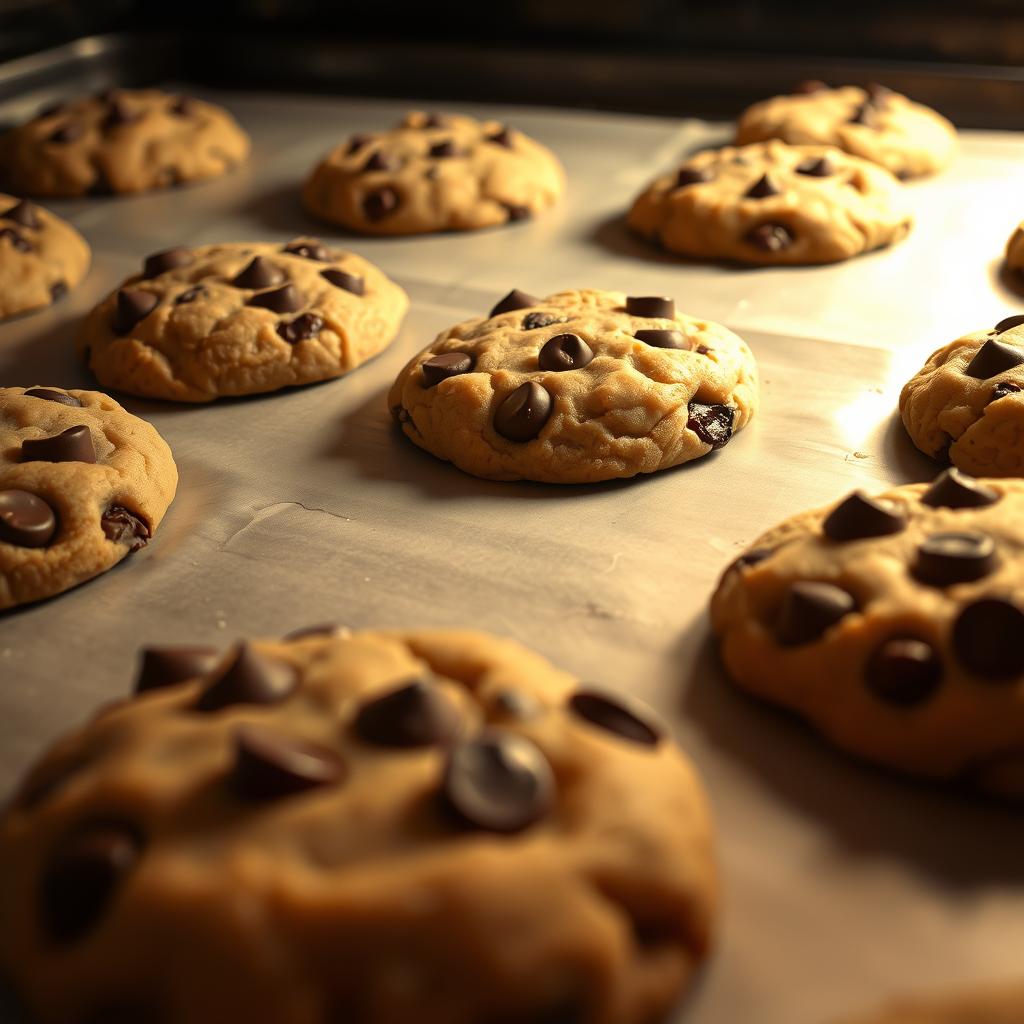
Have you ever wondered why some cookies bake quicker than others, even in the same batch? Dough thickness is a key factor. Thicker dough takes longer to bake, often resulting in softer centers, while thinner dough bakes faster and tends toward a crispier texture. If you’re going for soft cookies, try making taller dough mounds on your baking sheet to slow down the heat penetration.
Oven Type and Accuracy
Is your oven really at the temperature you think it is? Many home ovens are slightly off from the set temperature, and this affects baking time. Convection ovens, which circulate hot air, can bake cookies faster than standard ones. It’s always a good idea to invest in an oven thermometer to ensure you’re working with accurate temperatures.
Altitude and Climate Considerations
If you live at high altitudes, your cookies may bake differently. The reduced air pressure can speed up baking times and may require adjustments to your recipe, such as lowering the oven temperature or increasing liquid ingredients. Similarly, humidity in your kitchen can impact the texture, as moist environments might make cookies spread more during baking.
Cookie Sheet Material and Size
The baking surface matters more than you might think! Different cookie sheets conduct heat differently. For example:
- Dark cookie sheets: Absorb heat quickly, leading to faster baking and possibly crispier edges.
- Light or shiny cookie sheets: Reflect heat, slowing down baking and promoting softer cookies.
- Silicone mats or parchment paper: Provide even heat distribution for consistent results.
The size of your cookie sheet also impacts baking time. Smaller sheets can crowd the cookies, while larger ones give them room to breathe and bake evenly. For best results, ensure your cookies are spaced at least two inches apart.
Understanding these factors can transform your baking game. Once you’ve mastered the art of adjusting these variables, you’ll be well on your way to crafting chocolate chip cookies that everybody calls “perfect.”
Tips for Perfect Chocolate Chip Cookies
Is your goal to bite into a cookie with crispy edges and a soft, gooey center? Or maybe you’re craving something delightfully crunchy with every bite? Achieving the perfect chocolate chip cookie is an art, but with a few strategies up your sleeve, it’s easier than you think. Let’s dive into some game changing tips, whether you prefer chewy decadence or crispy perfection.
1. Chill the Dough
One of the simplest ways to level up your cookies is by letting your dough rest in the fridge before baking. Why does this matter? Chilling enhances the flavor by giving the sugars more time to absorb moisture, and it also solidifies the fat, leading to less spread in the oven. For the best results, chill your dough for at least 30 minutes, though an overnight chill can take things to the next level!
2. Utilize Parchment Paper or Silicone Mats
Sick of cookies sticking to your baking sheet or browning unevenly? Swap aluminum foil for parchment paper or a silicone baking mat. These surfaces promote even heat distribution, reduce sticking, and make cleanup a breeze. Plus, they’ll help you achieve that dreamy golden brown bottom without risking a burned edge.
3. Baking Timing: Chewy vs. Crunchy Preferences
The baking time is the secret ingredient to getting your cookies just how you like them:
- Chewy Cookies: Bake at 350°F for 9–11 minutes. Look for centers that are slightly underdone and edges that are just set.
- Crispy Cookies: Opt for 375°F and bake for 12–14 minutes. Higher heat creates that coveted crunch while caramelizing the edges.
4. How to Tell When Cookies Are “Done”
Wondering if it’s time to pull your cookies out of the oven? The edges should appear lightly golden and firm, while the centers might look slightly soft but no longer wet. Trust your nose as well when the rich aroma of toasted sugar and chocolate fills your kitchen, it’s a good sign they’re ready to cool and set.
By keeping these tips in mind, you can control every detail of your cookies, from the texture to the final bake. Whether you love them chewy, crispy, or somewhere in between, personalized perfection is just a batch away.
How Long to Bake Chocolate Chip Cookies at High Altitudes?
Baking chocolate chip cookies at high altitudes, like in Colorado, requires a bit of finesse to ensure your cookies turn out just right. The change in air pressure can affect how your dough rises, bakes, and even tastes. But don’t worry adjusting your baking time and temperature can make all the difference.
Here are a few tips to nail the perfect bake:
- Reduce Baking Time: Start checking your cookies 1 to 2 minutes earlier than usual. The lower air pressure at high altitudes often accelerates baking.
- Lower the Temperature: Decrease your oven temperature by 15 to 25°F to prevent over browning before the centers cook through.
- Adjust Ingredients: Adding an extra tablespoon of flour helps provide structure and prevents your cookies from spreading too much.
High altitudes may seem tricky, but with some simple tweaks, your chocolate chip cookies can have those signature crispy edges and soft, gooey centers. Have you tried using local butter or checking your flour’s humidity? These small changes can enhance your results further. Don’t be afraid to experiment to find that perfect bake time and texture.
When it comes to answering the age old question of “how long to bake chocolate chip cookies,” the truth is, the timing depends largely on your personal preferences. Are you a fan of soft, gooey centers or do you enjoy a crisp, golden finish? The good news is, you can adjust your baking time and temperature to craft the cookie of your dreams. Here are some quick tips for perfect timing: For soft and chewy cookies:Bake at 350°F for 9–11 minutes. Keep an eye on them; pull them out when the edges are just turning golden while the centers look slightly underdone. For crispy edges:Opt for 375°F for 10–12 minutes, allowing the higher heat to caramelize the outside while keeping the middle intact. Don’t be afraid to experiment. Try different combinations of time and temperature to discover what works best for you. For a simple and foolproof recipe to get started, check out these chocolate chip cookies. The perfect batch is just an oven away!